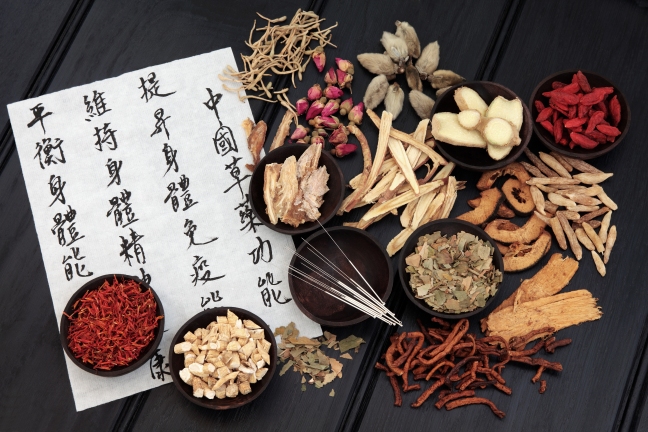
In Chinese herbal medicine, herbs are typically combined into formulas. Rather than the Western herbal or homeopathic concept of focusing on one herb to treat a symptom, Chinese herbalists believe that herbal combining leads to greater efficacy. At Clear Skies Acupuncture, we believe that Chinese herb combining is an art and science. As such, it is based on many factors, including herb function, flavor, temperature, what channels are entered, the patient’s constitution, the season, and much more.
Acupuncturists combine herbs for many reasons, some of which are listed below:*
- Two similar herbs can be combined to strengthen an effect. For instance, both Da Huang (Radix et Rhizoma Rhei) and Mang Xiao (Mirabilitum) may be used to treat constipation, because both herbs drain heat/fire. However, Mang Xiao softens accumulation of stool, and Da Huang helps move stool out of the bowel, so together, they can enhance the same function of relieving constipation.
- Herbs with opposing functions may be combined to create a stronger therapeutic action. For instance, a patient may arrive suffering from Heart fire symptoms due to a deficiency of Heart yin (think of yin as the nurturing water that keeps yang’s energetic fire in check). The herbalist may prescribe Huang Lian (Coptis), which is cold and bitter and drains Heart fire, along with E Jiao (Gelatinum Corni Asini), a sweet and neutral medicinal that supports and nourishes yin and blood. In this way, the patient is relieved of symptoms of Heart fire, but the formula also nourishes the original deficiency causing the imbalance.
- One herb can counters another herb’s harsh effect. As an example, some herbs are very cold, and thus may cause damage to the digestive fire when a patient ingests them. Combining a cold herb like Shi Gao (Gypsum Fibrosum) with a sweet nourishing plant like Geng Mi (a form of rice) can help alleviate heat without damaging digestion.
- Herbs can harmonize other herbs. Gan Cao (Licorice) is an herb that is commonly used to help harmonize and bring into balance the actions of other medicines. It can cause herbs with opposing actions to work well together.
- Herbs can guide other herbs to different areas of the body. Certain herbs are so intimately related to a part of the body, a channel, or an organ, that they pull other herbs toward that area. For example, Chai Hu, (Bupleurum), guides other herbs to the liver and gallbladder channels, and also to the upper body. If a patient had a Liver channel related headache, Chai Hu might be used in a formula to treat.
- Herbs are combined because of how they move qi, their flavor, and their temperature. For example, the Spleen, the body’s primary yin digestive organ, likes warmth, sweetness, and also dryness, because the Spleen can be encumbered by the stagnation of fluids. To support the Spleen, the hot, acrid herb Gan Jiang (dried Ginger) may be combined with the sweet, bland herb Fu Ling (Poria), whose bland nature helps to drain dampness, or pathogenic fluid.
Certain herbs in Chinese medicine are such good partners that they are well known as common paired building blocks for formulas. In herbalism, we call these “Dui Yao,” or “two herbs” pairs. In a future post, we’ll explore some of the dui yao pairs and how they can be used to help with different acupuncture and herbal treatments.
*Note:
This blog has been written with reference to:
Sionneau, P. (1997). Dui Yao: The Art of Combining Chinese Medicinals. Boulder, CO: Blue Poppy Press.

 Have you ever had a day where your head feels heavy or foggy and you can’t focus or think straight? In Chinese medicine, mental clarity is related to the Spleen’s capacity to lift clear qi to the head and brain without obstruction. Acupuncture, Chinese herbs, and lifestyle changes can help support the Spleen and the mind.
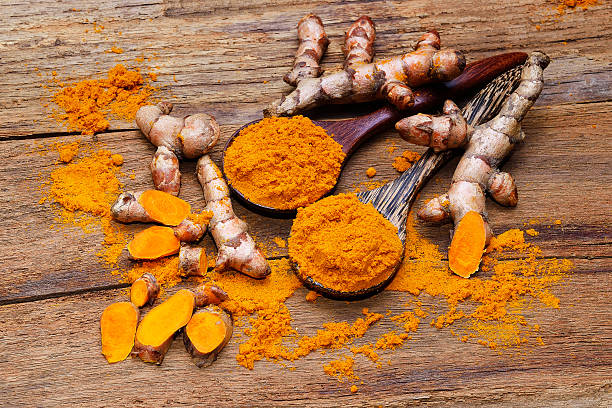
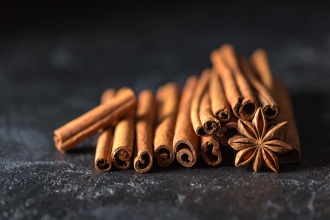 Cinnamon bark (Rou Gui): Cinnamon, or Rou Gui, is a warming ingredient that can be a great addition to meals. Put a little in your coffee or tea to kick start your digestion in the morning, or in a tomato soup at night. As a Chinese herb, Rou Gui goes to the Heart, Kidney, Liver, and Spleen, and can help to warm and unblock the channels by dispersing cold. Moreover, Rou Gui can be used to nourish our Kidneyyang, that deep warming aspect of the body.
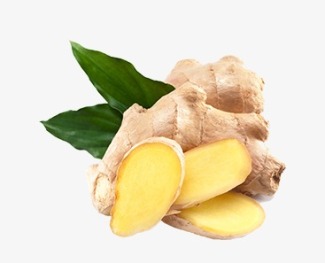 Ginger (Gan Jiang, Sheng Jiang): Ginger can be ingested in different forms, and each of these forms has different properties. Fresh ginger, or Sheng Jiang, is great for warming the Stomach and Lungs and can also help fight off colds. Dried ginger, Gan Jiang, is great for strongly warming the Spleen and Stomach and the channels, and it helps rebuild yang deficiency. Ginger can be used in all kinds of recipes, in sautéed greens and veggies with a little green onion and garlic, in soups or congees, or even made into a tea.
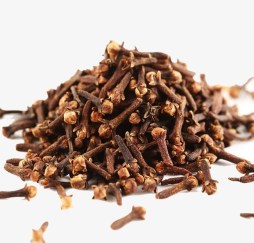 Clove (Ding Xiang): Clove, or Ding Xiang, is another herb that can warm the center of the body and also supports and builds the Kidney yang. You may have heard of clove paired with cinnamon and nutmeg in pumpkin pie, but take away the sugar and dairy, and clove is a great addition to pumpkin, squash, carrot, or sweet potato. Be careful, a little bit goes a long way.
 Clear Skies Acupuncture And Herbal Medicine